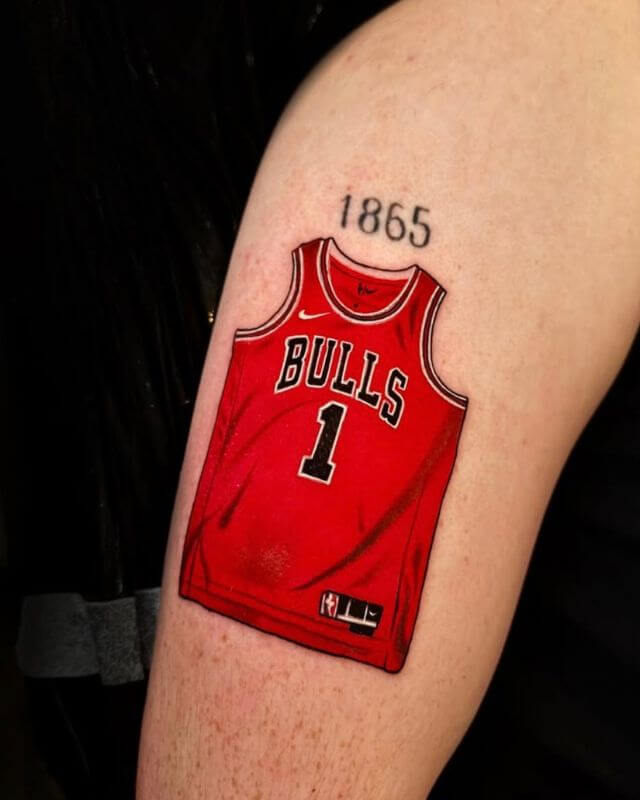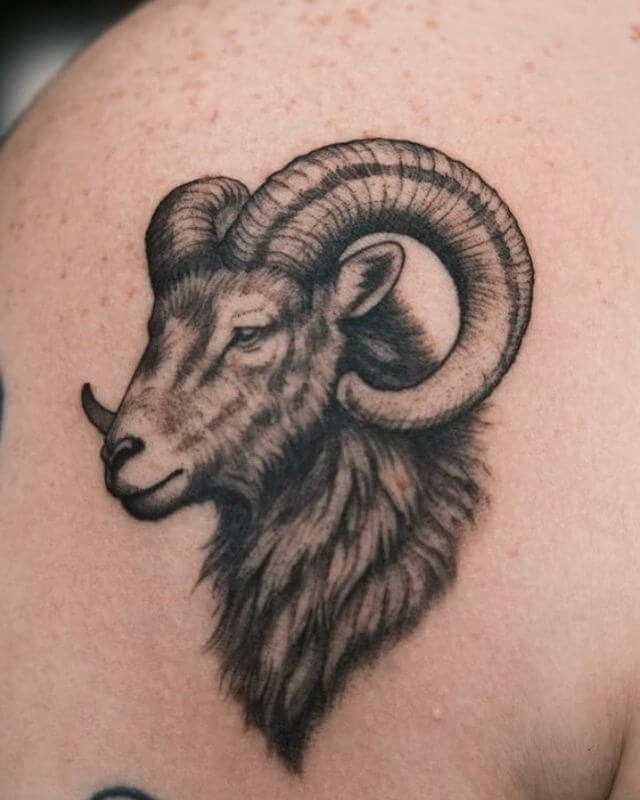
If you've been browsing tattoo studios and noticed some feature "guest artists" alongside their regular team, you might have wondered what that actually means — and whether it matters for you. It does matter, quite a lot in some cases. Here's what the distinction means in practice and why a strong guest programme is one of the better signals of a serious studio.
What Is a Guest Artist?
The terms are straightforward once you know them. A resident artist is based permanently (or semi-permanently) at the studio. They're there most weeks, they know the studio's booking system and processes, and clients can plan around their regular availability.
A guest artist is a visiting artist — someone who comes in for a defined period, typically two to five days, before returning to their home studio or continuing their travels. They may be based in another UK city, in Europe, or further afield. Their time at the studio is planned and announced in advance, their availability is limited, and when they leave, they're gone until (if) they're invited back.
Guest artists are almost always specialists. They've been invited because they do something specific exceptionally well — a particular style, a particular aesthetic, a level of technical skill in a niche the resident team doesn't cover to the same depth. That specialism is the point of the programme.
Why Studios Host Guests
A resident team of three or four artists, however talented, can only cover so many styles to a genuinely specialist level. You can be an exceptional Japanese artist and a competent neo-traditional artist. You're unlikely to be among the best in the country at both simultaneously — the techniques, references, and aesthetic sensibilities are different enough that true depth requires serious commitment to one direction.
Guest programmes exist to solve this problem without compromising on quality. Rather than asking resident artists to stretch beyond their strengths, studios invite true specialists from outside for limited periods. The result is that clients can access work at a genuinely specialist level across a much wider range of styles than any fixed team could offer.
There's also a quality signal in who a studio can attract as guests. Artists with serious reputations choose where they guest carefully — they're putting their work in a space, and that reflects on them. A studio that consistently hosts well-regarded guests is a studio that the wider tattoo community respects.
The Advantages for Clients
For clients, the main advantage is access to depth without compromise. If you want a specialist in, say, fine-line botanical work, a delicate watercolour piece, or traditional Japanese irezumi, a studio with an active guest programme can connect you with someone whose entire body of work is that style — not someone who does it occasionally alongside everything else.
The trade-off is availability. Guest spots are genuinely limited — a visiting artist might have eight to twelve client slots across their entire visit. For popular guests, those fill within hours of being announced. You're not booking at your convenience; you're booking within a narrow window when they're available.
"We built the guest programme to raise the ceiling, not fill the calendar. Every artist we invite is someone we'd personally want to be tattooed by."
How Thundercat's Programme Works
We host 30+ guest artists per year at Thundercat. This isn't occasional — it's a deliberate and central part of how the studio operates. We plan the calendar around it, manage the bookings, and handle all client communication through the studio rather than leaving clients to deal directly with visiting artists.
That last point matters. At some studios, guest bookings are handled informally — you might be DM'ing an artist on Instagram, sending a deposit to a personal PayPal, and hoping they remember your appointment. Our process is the same for guests as for residents: consultation through the studio, clear pricing communicated upfront, deposit through our booking system, and confirmation handled by us.
We also curate carefully. Not every artist who approaches us about guesting gets invited. We're looking at their portfolio closely — including healed work, not just fresh — their professional reputation, and whether their style genuinely fills a gap in what we can offer clients.
How to Get Early Access
Guest artist spots fill quickly — sometimes within the first few hours of being announced. The people who consistently get access are the ones who've set themselves up to hear about it first.
The two reliable channels are our mailing list and Instagram. Mailing list announcements typically go out 48 hours before Instagram posts, which is enough of a head start to make a difference for popular guests. If you know you want work from a specific artist or in a specific style, signing up to the list is the most straightforward way to be first in line.
What to Ask Before Booking a Guest
The same questions apply to a guest as to any artist, but there are a few that become more important in the context of limited availability and an artist you may not have encountered before:
- Can I see healed examples? Every artist's fresh work looks better than it heals. This is especially true for styles like fine line and watercolour. Ask specifically for healed examples. A reputable artist will have them ready.
- How does the pricing work? Guest artists often have different day rates or minimum charges to the resident team. The studio should be able to give you a clear estimate before you commit a deposit.
- Does their style match my vision? This sounds obvious, but it's easy to get swept up in an artist's general reputation and book before honestly asking whether their specific aesthetic is what you actually want on your skin.
- How far out are they booking? Some guests book their visits six months in advance and their slots are already spoken for before the announcement goes public. It's worth asking whether the announced visit still has availability.
The studio manages all of this. You're never left navigating a guest booking alone — we're the point of contact throughout, and we'll tell you honestly if we don't think a particular guest is the right fit for what you're looking for.