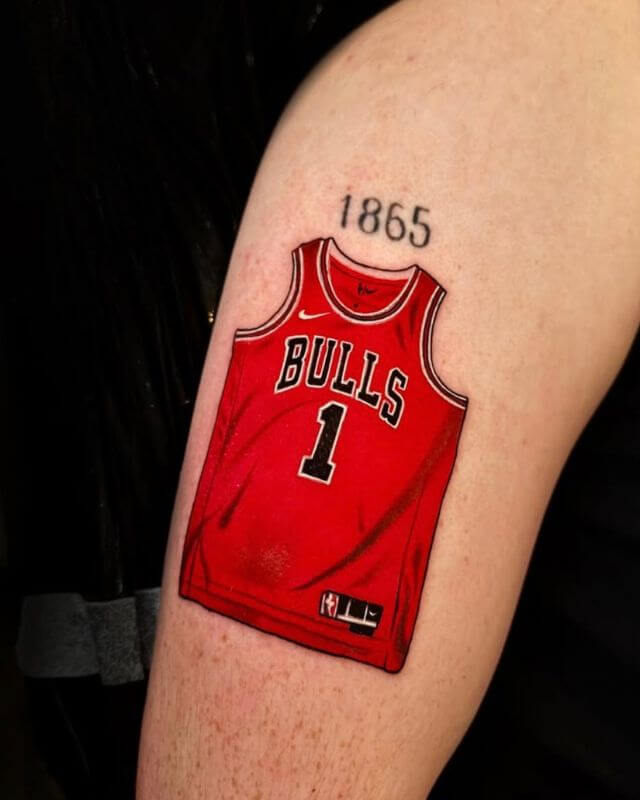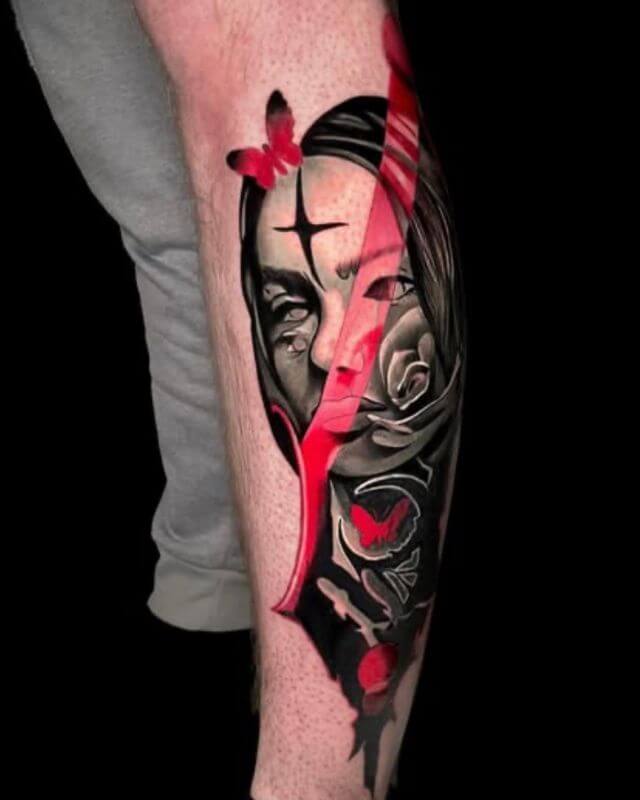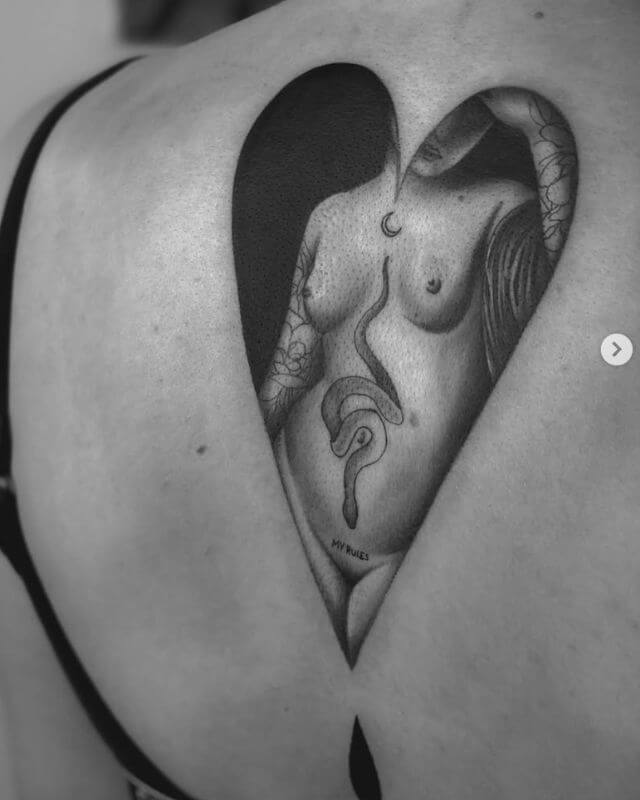
Tattoo pricing is a subject that makes people uncomfortable in ways that other creative services don't. You'll spend £200 on a restaurant meal without flinching, but ask someone to pay the same for two hours of skilled fine art applied permanently to their body and suddenly it needs justifying. We find this curious. But it's worth engaging with seriously, because the question underneath the sticker shock is actually a good one.
Not "is this studio cheap?" but "does this studio produce work I'd be proud to wear in 20 years?" Those are different questions with entirely different answers. Here's what the second question actually looks at.
The question worth asking
The cheapest tattoo you can get isn't a bargain. It's a risk with a permanent outcome. The phrase "good tattoos aren't cheap and cheap tattoos aren't good" is a cliché because it's reliably true. What's less often discussed is what "good" actually means in practice — because there's a gap between "adequate" and "genuinely excellent" that isn't immediately visible when you're looking at a studio's Instagram feed.
The markers of genuinely excellent work show up in the details. Here's where to look.
Hygiene and safety standards
This is the floor, not the ceiling. A studio that clears this bar hasn't done anything impressive yet — it's simply not unsafe. But it's worth knowing what the minimum acceptable standard actually looks like:
- Sterile environment — surfaces cleaned between every client, not just at opening and closing
- Single-use needles opened in front of you, every session
- Autoclave on-site for sterilising reusable equipment
- Artist gloves on throughout — changed if they touch anything that isn't the client or sterile equipment
- Fresh ink caps per session — ink is never poured back into the main bottle
If you ask about any of these and a studio is vague or defensive, that tells you something. A studio that takes hygiene seriously will answer these questions without hesitation, because they're proud of their standards. A studio that cuts corners here is cutting corners on your health.
Artist specialism and development
The best studios have artists who are specialists, not generalists. This isn't snobbery — it's how skill works. A true specialist in Japanese traditional work who has spent five years refining their approach to line weight, colour, and composition will produce better Japanese work than someone who also does realism, neo-trad, and cover-ups. The skills overlap somewhat, but the depth of practice doesn't.
Look for studios that are honest about what they do well and what they don't. A studio that tells you "we don't do that style as well as X studio down the road, you should go there" is a studio that values your outcome over your deposit. That's rare and it's a genuine quality signal.
The client experience
How a studio communicates before you've spent any money tells you a great deal about how it operates after you have. Do they respond promptly, personally, with genuine knowledge? Or do you get a price list and a booking link and nothing that resembles a human being engaging with your idea?
The best studios treat the consultation as part of the art — the gathering of information and understanding that makes the eventual work better. This isn't just good service. It has a direct impact on the quality of the tattoo. An artist who understands why you want something, what it means to you, and what you're hoping it achieves will make different creative decisions than one who received a description and a deposit.
"The conversation before the session is part of the work. An artist who skips it is working with incomplete information. That gap shows in the finished piece."
What the portfolio actually tells you
Most people look at what they like in a portfolio. That's the starting point, not the analysis. What you're really looking for:
- Consistency across a body of work. Can the artist reproduce similar quality across 20, 30, 50 different pieces? Or are there three standout photos surrounded by work that doesn't reach the same standard?
- Healed examples. Almost all social media tattoo content is fresh work — photographed on the day, saturated and sharp. Healed work is the truth. An artist who can show you their work at six months, at a year, at three years, and have it hold — that's the real test. Ask for healed examples specifically. Watch how they respond.
- Development over time. Look at work from two years ago versus work from now. Is there visible improvement? A portfolio that grows without developing suggests someone who has stopped learning.
How artist certification works — and why ours is different
Every professional tattoo artist in the UK holds council-issued certification — that's the legal baseline, the minimum required to operate, covering health, safety, and hygiene standards. It's the floor, not the ceiling, and every legitimate studio has it.
At Thundercat, we've built an additional layer on top. Every artist who works here — resident or guest — must pass our own in-house Thundercat certification before they can pick up a machine in this studio. It's more technically demanding than the council qualification, covering our specific standards for consultation practice, design process, skin preparation, technique, and aftercare protocol. The council certificate tells you an artist can work legally. The Thundercat certificate tells you they work to our standard.
Both are required. No exceptions. It's one of the reasons we're confident in the consistency of the work that comes out of this studio — regardless of which artist you book with.
The consultation as quality signal
How a studio handles the consultation is the clearest single indicator of what the actual session will be like. Do they ask questions about you, your vision, your references — and push back thoughtfully where they have something to add? Or do they rush you to a deposit?
The studios worth the price are the ones where the consultation feels like the beginning of a creative collaboration rather than the processing of a booking. That quality of engagement doesn't turn off once the money changes hands. It's the culture of the place, and it runs through everything from the first message to the aftercare follow-up.
The studios worth their price make work that people love wearing twenty years later. There's no formula for that — but there are consistent conditions that produce it, and they start long before the needle touches skin.
See the difference in practice
Our consultation process is where we earn the trust you're placing in us. Read how it works — or skip straight to the application and experience it for yourself.
Book a Free Consultation →