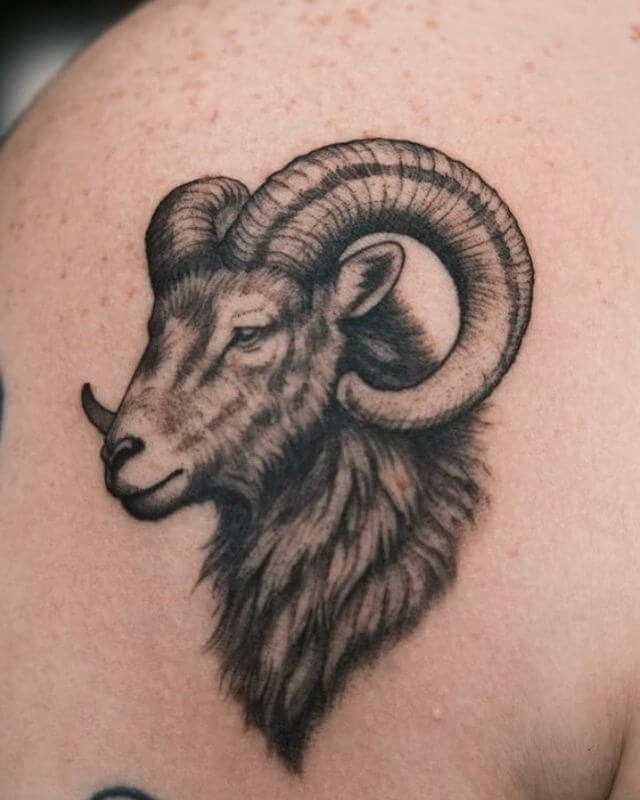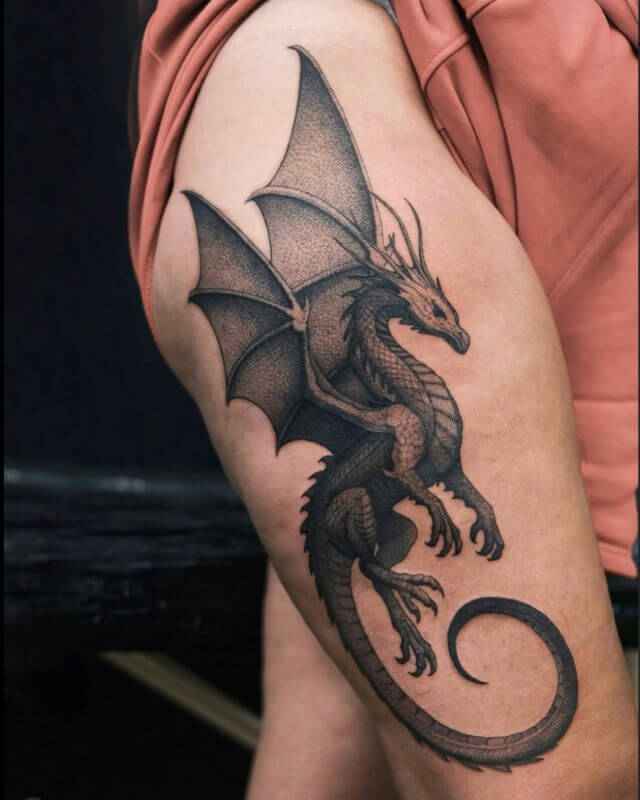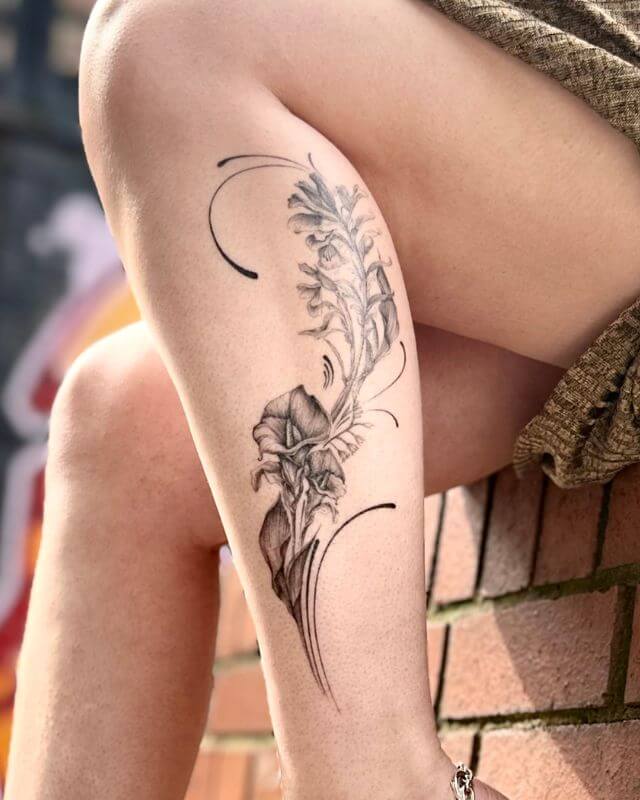
The tattoo is done. The artist has wrapped it. Now the outcome is almost entirely in your hands.
The quality of a healed tattoo isn't just about the artist who put it in — it's about what happens in the two to four weeks afterwards. Bad aftercare can blur crisp linework, flatten contrast, and pull pigment before it's fully set. Good aftercare is the difference between the tattoo you saw on the day and the tattoo you wear for the rest of your life.
This is exactly what we tell every client who leaves Thundercat. It's not complicated — but it is specific.
The First 48 Hours
Your tattoo has been wrapped before you left the studio. We use either clingfilm or a breathable second-skin bandage, depending on the piece. Leave it on. The wrapping exists to protect the open skin from bacteria and friction during the most vulnerable window.
If we've applied a second-skin bandage, you can leave it on for up to 24 hours — it's breathable and will accumulate fluid underneath, which is normal. Don't panic at the pooled plasma: that's your body doing its job.
After removing the wrap, your first wash is the most important one. Use fragrance-free, antibacterial soap — plain unscented Dove or a dedicated tattoo cleanser. Warm (not hot) water, clean hands. Gently work the soap over the tattoo to remove any plasma or excess ink, then rinse fully. Pat dry with a clean paper towel. Do not rub.
Apply a very thin layer of unscented moisturiser. Thin is the operative word — you want the skin to breathe. Bepanthen, Hustle Butter, or a fragrance-free lotion all work. Resist the urge to smother it. A thick layer traps moisture and slows healing.
Wash and moisturise two to three times a day from this point. Keep the tattoo out of direct sunlight and away from clothing that rubs.
Days 3–7: The Peel
Around day three, the surface of your tattoo will start to peel. This is normal — it's the outermost layer of damaged skin shedding. The peeling skin often carries pigment on it, which can be alarming if you haven't seen it before. The ink isn't leaving. The skin carrying it is.
Do not pick. Do not pull. Do not scratch. Peeling off flakes before they're ready pulls pigment with them and creates patchy, uneven colour in the healed result.
Keep moisturising consistently through this phase. The temptation when it looks flaky is to apply more product, more often. Resist — two to three times daily remains the right frequency. More than that can clog the surface and interfere with normal shedding.
Keep the tattoo out of direct sunlight. UV exposure on a healing tattoo fades pigment before it's set. Even on cloudy days, avoid prolonged exposure. This isn't paranoia — it genuinely affects the end result.
Stay out of gyms during this phase. Sweat is fine, but the friction of clothing against a peeling tattoo and the bacteria load in a gym environment are not your friends right now.
Days 8–14: The Itch
The peeling has largely finished. What replaces it is often a persistent itch — and a hazy, milky appearance over the surface of the tattoo. Both are completely normal.
The milky layer is new skin forming over the tattoo. It temporarily dulls the colour and makes the lines look less crisp. This is not a sign of poor healing. It will clear in the following weeks as that new skin matures and becomes transparent.
The itch is your nerves and skin cells doing their job. Do not scratch. If it's unbearable, slap the area lightly or apply a little more moisturiser. Scratching — even gently — can disrupt the healing surface and leave marks.
You can return to light gym activity from around day 10, but continue to keep the tattoo covered and clean. Avoid direct sun exposure and don't apply sunscreen to it yet — the skin isn't ready for that.
Weeks 3–4: Fully Healed (Surface)
By the end of week two to three, the surface of your tattoo is healed. The milky layer has cleared, the colour has stabilised, and the lines are back to showing their true quality.
This is when you can properly judge how your tattoo has come out. The "fresh tattoo" look — saturated, bold, sitting on top of the skin — gives way to the healed look, which is slightly more settled but often more refined. Fine-line work especially can look even better healed than fresh.
A note on depth: the skin's surface has healed, but the deeper layers are still settling for another two to four weeks. Full, complete healing takes four to six weeks from session date. You can now apply SPF to the area, which will protect the pigment from UV degradation long-term. This is a habit worth keeping permanently — sun is the number one reason tattoos fade prematurely.
Unsure how your tattoo is healing?
If something looks off, message us. We'd rather you send a photo and get a quick answer than spend three days worrying. We reply to all client queries the same day.
Get in Touch →What to Avoid Throughout
Some rules apply for the full healing period, not just the first few days:
- Sun exposure. A single bad sunburn on a healing tattoo can permanently damage the result. Keep it covered or shaded until fully healed, then use SPF 50 afterwards.
- Swimming. Pools, the sea, and rivers are all off-limits for at least two weeks. Chlorinated water and saltwater both interfere with healing skin. Immersion also introduces bacteria to an open wound.
- The gym (first two weeks). Sweat and friction on a fresh tattoo. You can return gradually from day 10 for light exercise, but avoid anything that puts the tattoo in direct contact with equipment.
- Pets on the fresh tattoo. Dogs and cats carry bacteria in their claws and saliva. Adorable but genuinely risky on healing skin.
- Tight clothing over the area. Friction slows healing and can pull off peeling skin too early. Loose, breathable fabric is far better for the first week or two.
- Picking, scratching, or peeling. Every time you repeat this: you are pulling pigment out. It will show in the healed result.
Signs Something Is Wrong
Genuine infections in professional tattoo work are uncommon when aftercare is followed correctly. But they do happen. It's worth knowing the difference between normal healing behaviour and something that needs attention.
Normal: redness and swelling in the first 48 hours; some oozing of clear or pale-yellow plasma; peeling from day 3; milky appearance in week 2; itching throughout.
Call the studio if you see: redness that's spreading outward from the tattoo and getting worse after day 3 (not better); raised, warm, swollen skin beyond the normal first-day reaction; yellow or green pus (not clear plasma); a hot patch that persists into week two; fever or flu-like symptoms in the first week.
If you're genuinely concerned about infection — not just anxious about normal healing — see a GP or visit urgent care. A tattoo infection is a skin infection and responds to antibiotics. Early treatment is far easier than late. Don't sit on it.
"We've never had a client with a properly cared-for tattoo develop a serious infection. The cases we've seen have almost always involved picking, public swimming, or skipping the wash routine entirely."
Look after it. You've just invested real money and real time into something permanent. Two weeks of careful attention is a reasonable trade for a lifetime of clean, sharp work.