Where you put your first tattoo matters more than most people realise going in. It affects how much it hurts, how easily it heals, how well the work holds over time, how visible it is across different life contexts, and how much room you have to add to it or build around it later. Choose well and you've set yourself up for something you'll be proud of for decades. Choose without thinking it through and you may find yourself managing an outcome you didn't fully anticipate.
This isn't about limiting what you can get. It's about helping you get it in the right place.
Why Placement Matters More Than People Think
Placement isn't just about visibility. It's a set of interlocking factors that interact with each other and with the specific design you want:
- Pain level: Some placements are significantly more uncomfortable than others. For a first experience, this is worth factoring in honestly.
- Healing difficulty: How much does the area move? Is it in contact with clothing constantly? Does it get sun exposure? All of these affect how smoothly the piece heals.
- Aging quality: Skin on high-movement areas, or areas with less stable fat and muscle underneath, stretches and shifts over time. Detail holds better in some places than others.
- Canvas size and future flexibility: Some placements give you room to build and expand. Others are self-contained from the start.
The Best Placements for First Tattoos
These are the placements that consistently give first-timers the best combination of manageable experience, good healing, and long-term results.
Outer Upper Arm
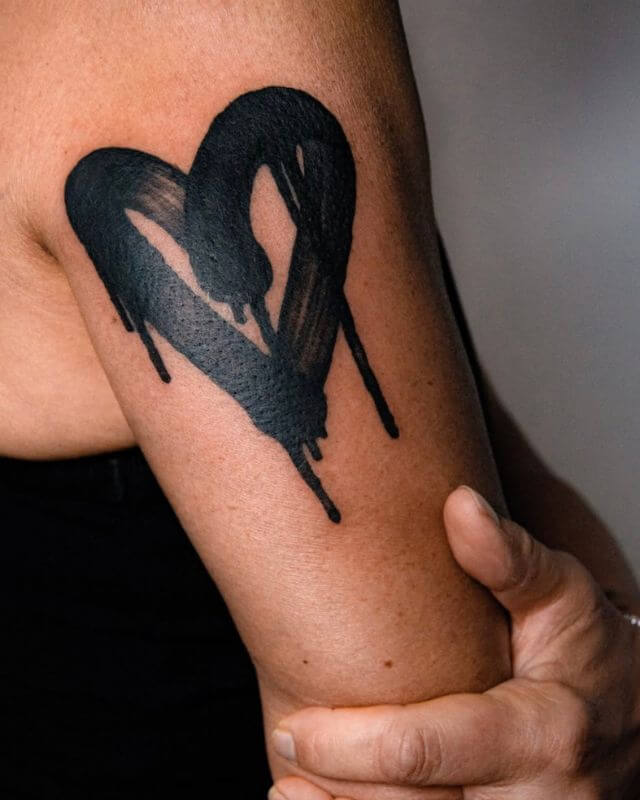
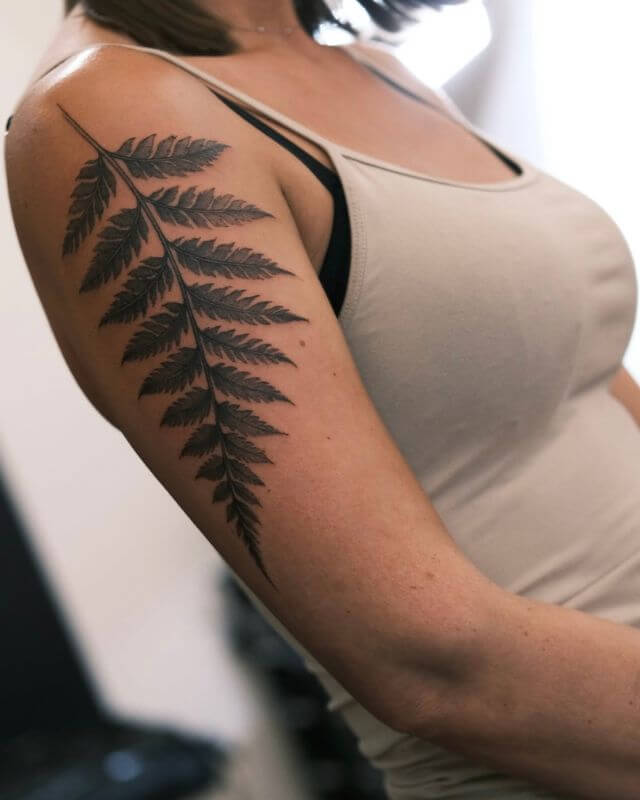
The single most consistently recommended placement for a first tattoo, and with good reason. Accessible to the artist from almost every angle. Lower pain level than most placements. A genuinely good canvas for a wide range of styles and sizes. Ages gracefully — the skin here is relatively stable. Easy to cover for professional contexts or show freely otherwise. This is the placement that almost never disappoints.
Outer Forearm
Similar advantages to the upper arm with slightly higher visibility. Flat, stable, accessible. One of the most versatile placements in terms of design — works beautifully for everything from single-element fine line to large illustrative pieces. Easy to show, easy to cover with long sleeves when needed.
Thigh
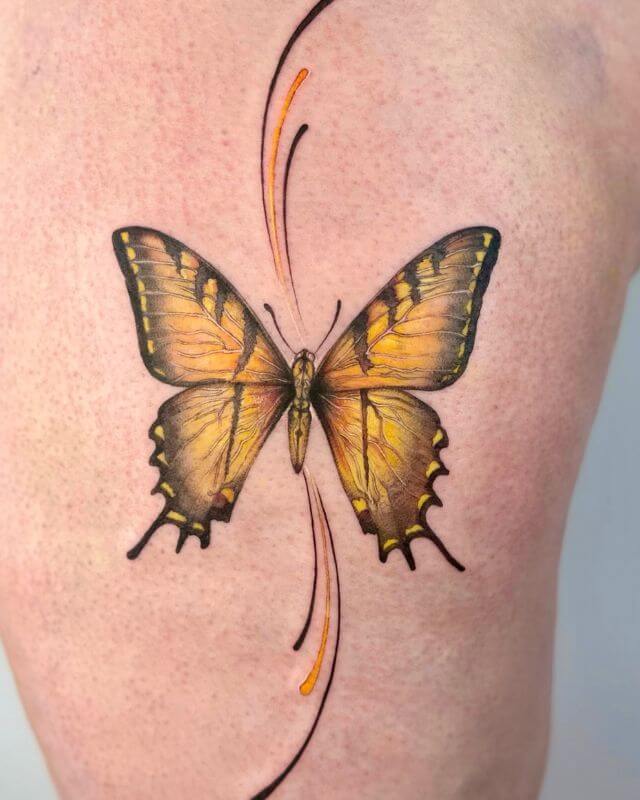
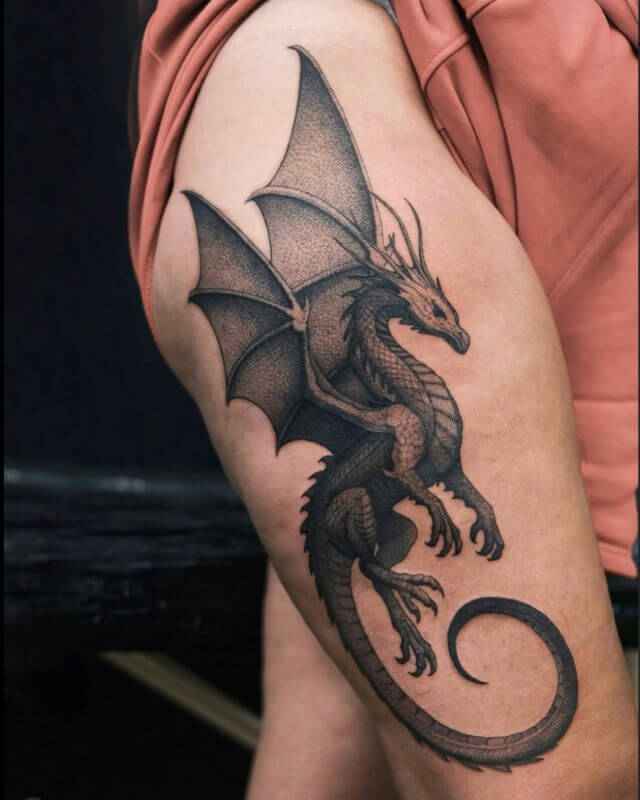
An underrated first placement. Larger canvas than most people consider for a first piece, which allows for more ambitious designs. Generally low pain — the thigh has more fat and muscle than many areas, which cushions the sensation considerably. Heals well because it's not in constant friction with clothing if you dress appropriately. Easily hidden. An excellent choice for a first tattoo with real scale.
Shoulder Blade / Upper Back
Flat, stable skin that's excellent for detailed work. Lower pain than many placements. Heals cleanly because it's not in constant sun exposure or friction. Gives you a good-sized canvas and the option to extend into a larger back piece later if you want to. The one practical consideration: it's harder to see yourself, so bring someone to the reveal.
Calf
Often overlooked, but consistently one of the better placements for first timers. The calf has good pain tolerance, the skin ages well, and the shape of the muscle creates a naturally interesting canvas for many designs. Heals easily. Easy to cover or show depending on the situation.
Placements to Approach with Caution
These placements aren't off-limits — people get excellent tattoos in all of them. But for a first tattoo, they come with considerations worth understanding in advance.
Fingers and Hands
The highest-movement skin on the body. Constant flexing, stretching, washing, and friction means finger and hand tattoos fade faster than almost any other placement — many need touching up within two to three years. Fine detail is very difficult to maintain here. These can be beautiful placements with the right design and the right expectations, but they are not low-maintenance pieces, and as a first tattoo they add complexity to a decision that benefits from simplicity.
Ribs
Not a bad placement, but a notably more uncomfortable one. The skin moves with every breath, there's less cushioning over the bone, and most clients find rib work significantly harder to sit through than comparable pieces elsewhere. If you want a rib tattoo, nothing about this should put you off — just don't choose it as your first piece primarily because it's not the place where you want to be introduced to the experience.
Foot and Ankle
Slow to heal, partly because the foot is in constant motion and partly because socks and shoes complicate aftercare considerably. Fine detail in this area tends to fade and spread faster than elsewhere. Accessible and visible, which makes it appealing — but the practicalities of healing and longevity are worth weighing honestly.
Neck and Face
Technically excellent placements for certain designs. Practically, worth a genuine conversation with yourself about the social and professional implications — not because there's anything wrong with visible tattoos, but because these are placements with lasting implications that are worth thinking through at every life stage, not just now. A good artist will have this conversation with you openly.
Visibility: Thinking Beyond Now
The most useful reframe on visibility: don't think about your life as it is now. Think in phases. Upper arm is almost always a sound choice — meaningful enough to matter, concealable for any professional context you might find yourself in, and visible whenever you choose to show it. It's a placement that tends to work across decades rather than just the present.
"We've never had someone regret an upper arm piece. We've had people regret placements they chose quickly without thinking about where they'd be in ten years."
The Placement Test
A simple test before you commit: imagine the tattoo in three scenarios. At work. On a beach in summer. At sixty years old. If all three feel genuinely comfortable — not just tolerable, but comfortable — you've found your placement. If one of the three gives you a moment of hesitation, that's information worth sitting with rather than dismissing.
The placement question is one of the most useful things to bring to your consultation. Artists who know their work will tell you honestly which placements suit your design, which ones will age best with your skin, and which ones come with complications you might not have considered. That conversation is part of what the consultation is for.
Not sure where to put it?
Bring your idea and we'll talk through placement honestly. We'll tell you what works best for the design and for your body — no obligation until you're completely sure.
Book a Free Consultation →