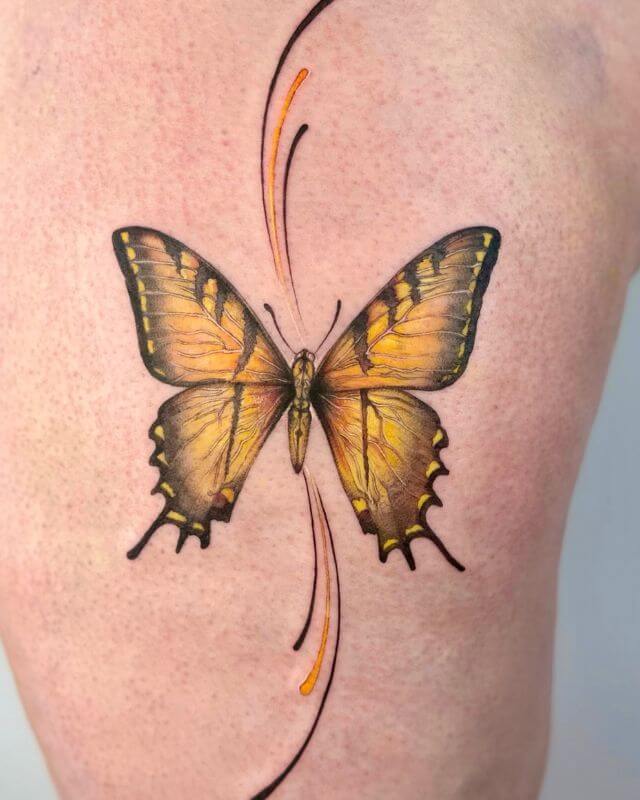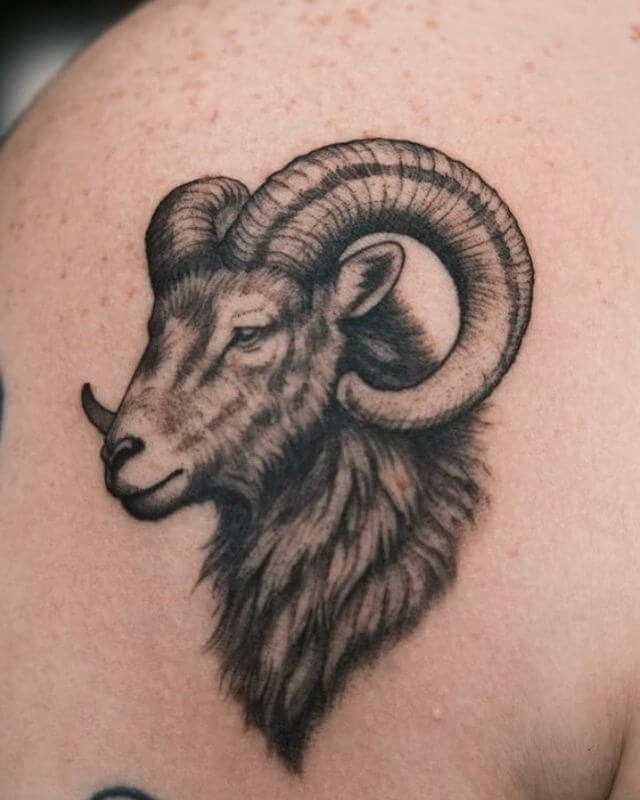
People think about tattoo removal the same way they think about an eraser. Make a mistake, reach for the eraser, problem solved. The reality is nothing like that. Tattoo removal is a protracted, painful, expensive process that doesn't even guarantee a clean result. Understanding what it actually involves is one of the best arguments for getting it right the first time.
This isn't a sales pitch for our studio. These are the numbers and the reality that anyone considering tattooing — or regretting one they already have — needs to understand before making a decision in either direction.
What Removal Actually Involves
Laser tattoo removal works by delivering high-intensity light pulses that shatter ink particles into smaller fragments, which are then processed by the body's immune system over subsequent weeks. It sounds efficient stated that way. The procedural reality is considerably less so.
The laser targets ink, but it also targets the skin around it. Sessions leave the treated area blistered, swollen, and raw. There's a multi-week recovery between sessions during which the skin heals and the immune system processes the dispersed ink. The next session can only happen once that healing is complete.
Critically: laser removal fades tattoos — it doesn't erase them. Many removed tattoos leave a ghost of the original. The skin texture in the treated area is often permanently altered. "Back to blank" is rarely what actually happens.
The Real Cost
UK market rates for laser removal: £80–200 per session, depending on size, colour, and location. A small tattoo in a single colour might clear in four to six sessions. A medium tattoo in mixed colours should be assumed to need eight to twelve sessions minimum. Large pieces are often fifteen or more.
Black ink responds best to the most common laser wavelengths. Coloured inks may require different laser types, specialist clinics, and substantially more sessions — and may never fully clear regardless. A tattoo with green or yellow ink is often a long-term fading project rather than a removal project.
Compare these numbers to a quality studio consultation and session fee. The arithmetic is uncomfortable but clear.
The Real Pain
Most people who have experienced both getting a tattoo and having one removed describe removal as more painful. The sensation is typically described as a rubber band snapping against sunburned skin, repeatedly, at very high speed. The snapping doesn't stop — it pulses continuously through the session.
Topical anaesthetic cream (EMLA or similar) is often available and helps reduce the surface sensation, but doesn't fully eliminate it. Larger pieces require more passes across the same area. The discomfort is real and it is sustained.
Post-session, the treated area blisters and peels over the following week. This isn't a minor inconvenience — it requires careful wound management, limits what you can do with that area of skin, and is visually and physically difficult for several days following each session.
The Real Timeline
Sessions must be spaced at least six to eight weeks apart to allow the skin to heal and the immune system time to process the dispersed ink. A ten-session removal schedule at six weeks between sessions takes over a year. Fifteen sessions takes nearly two years.
Throughout that period, the tattoo is present — progressively fading with each session but never fully gone between them. The piece you want removed is visible on your skin for twelve to twenty-four months while you work through the process. This is not a quick fix. It is a sustained commitment of time, money, and discomfort.
And at the end of that process, what many people find is a significant fading — but not a clean, blank canvas. The skin texture is often changed. A ghost of the original can remain. The expectation that removal means "it will be as if it was never there" is almost never met.
Why People End Up Regretting Tattoos
The patterns are consistent. Knowing them matters because they're all preventable:
- Impulse decisions. Booked within the same week the idea occurred. No time spent living with the concept, checking its staying power, imagining it on the body long-term.
- Trend-following. Got what was popular at a specific cultural moment. The trend moved on. The tattoo stayed.
- Wrong artist. Style mismatch, poor technical execution, or an artist who simply wasn't the right person for that specific piece. The result was never what was envisioned.
- Placement not thought through. Visible in contexts that became uncomfortable over time — career changes, lifestyle changes, relationship changes. The permanence of the placement wasn't genuinely considered.
- Emotional timing. Got something to mark an event or person while still in the middle of processing it. Feelings about the event changed. The tattoo didn't.
Prevention: How to Get It Right First Time
None of the patterns above is inevitable. All of them are addressed by the same core practice: slow down and be deliberate.
Sit with the idea for sixty days or more. Not in your phone's notes app — write it down somewhere physical, put a reference image somewhere you'll see it regularly. If it still feels as certain or more certain on day sixty than it did on day one, it's not impulse. If it fades, it was.
Find an artist who specialises in the style you want, not an artist who does everything. Look at their healed work. Book a consultation before a session. Don't be rushed by availability pressure — a slot opening up next week doesn't mean you're ready for it.
Think about placement in the long term. Not "do I want it here now" but "do I want it here in all the contexts of my life for the next thirty years?" There is always an honest answer to that question if you actually ask it.
Take the time to do it properly.
Our consultation process is designed to make sure you're certain before anything moves forward. No rush, no pressure — just an honest creative conversation about what you actually want.
Book a Free Consultation →