Some styles in tattooing feel like a moment. Botanical and floral work feels like a permanent thread running through the craft — present across cultures, centuries, and every wave of trend that's moved through the industry. There's a reason for that. It isn't nostalgia. It's structural.
Botanical tattooing sits at a particular intersection: natural beauty that carries genuine personal meaning, translated into a medium built to last. When someone chooses a botanical piece thoughtfully, they're not following a trend — they're making a choice that holds up regardless of what happens to the rest of the tattoo world around them.
Why It Endures
The question worth asking about any tattoo style is: what is it actually doing? Fine line geometric work creates a visual language of precision and structure. Traditional Japanese work tells stories in a visual system that has centuries of internal logic. What does botanical work do?
It connects you to the natural world — specifically. Not generically. The difference between a generic rose and a carefully chosen botanical subject is the difference between a decorative element and a personal statement. The former dates. The latter doesn't.
Botanical work is also aesthetically versatile in a way few other styles match. It reads as beautiful across demographics, contexts, and decades. A peony doesn't suddenly become culturally irrelevant the way certain script fonts or cultural moment references can. It ages in your life without becoming an embarrassment of timing.
"The most enduring botanical pieces we see aren't the most elaborate — they're the most considered. The person who knew exactly which plant, and exactly why."
The Range Within Botanical
"Botanical tattoo" covers considerably more ground than most people realise when they arrive for a consultation. These are fundamentally different approaches in execution, aging, and maintenance — and conflating them leads to disappointment. The main variations:
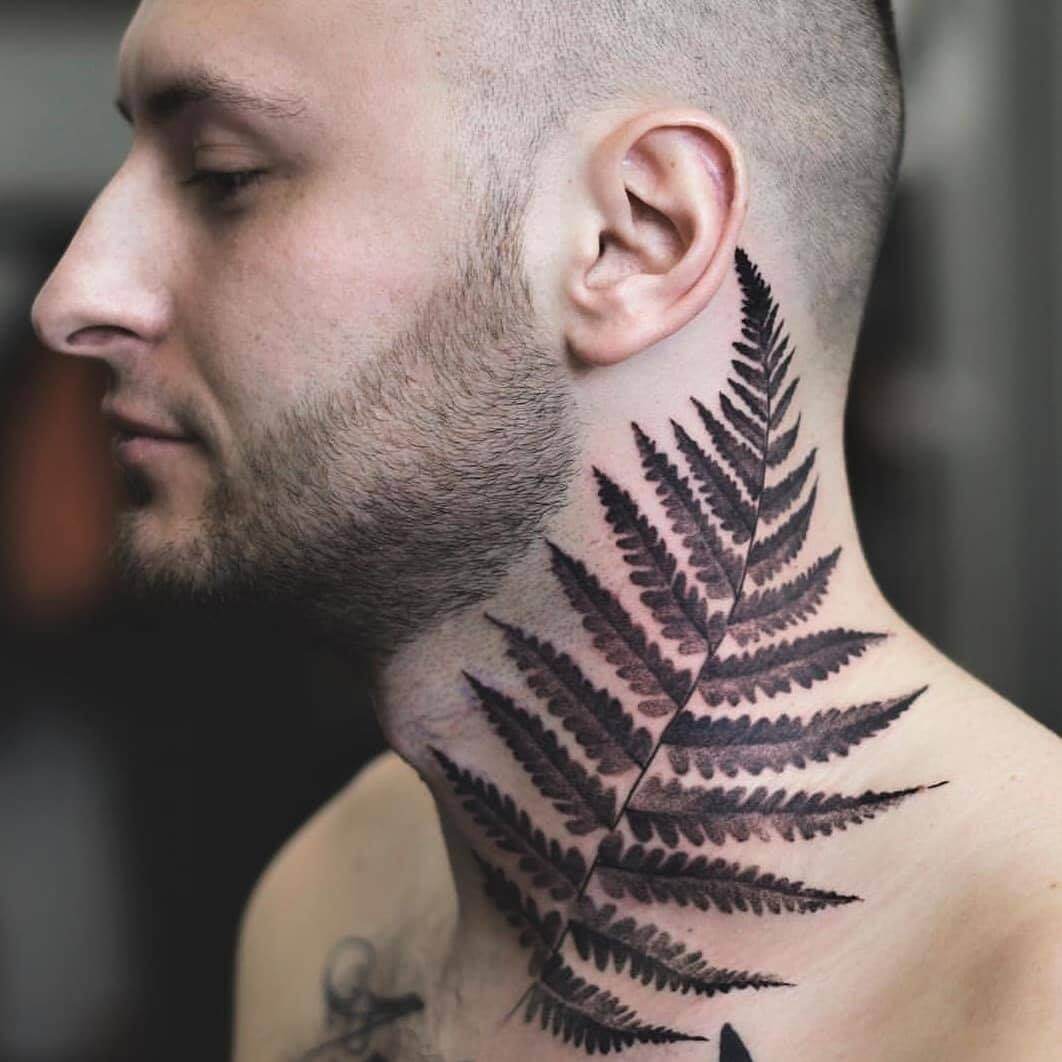
- Illustrative botanical — Detailed, realistic plant rendering, often referencing Victorian botanical illustration. Strong line work, precise shading, naturalistic colour if colour is used. Works best with an artist who has a genuine illustrative background.
- Geometric botanical — Natural plant forms contained within or intersecting geometric structures. Combines organic and mathematical aesthetics. The tension between the two is the point.
- Watercolour botanical — Soft wash backgrounds, less defined outlines, colour bleeding intentionally beyond the edges of the form. Beautiful when fresh. Has the shortest pristine window of all the botanical variations.
- Fine line minimal botanical — Single-stem work, delicate line work, often monochromatic. Currently the most requested variation. Has real beauty at its best and real limitations in longevity.
- Neo-trad botanical — Bold outline, saturated colour, exaggerated form. More graphic, less naturalistic. Ages significantly better than fine line approaches and holds visual weight at scale.
These aren't just aesthetic differences — they have different implications for placement, maintenance, and how the piece will look in ten years. Know which you're actually requesting before you sit down.
Fine Line Botanical vs Bold Botanical
Fine line botanical is the most requested variation we see at Thundercat — and for understandable reasons. At its best, delicate single-stem work on pale skin is genuinely extraordinary. It carries a restraint and elegance that bolder approaches can't replicate.
But there's an honest conversation to have about it. Fine line botanical has the shortest pristine window of all the botanical approaches. Hair-thin lines on living skin blur over time. The skin moves, ages, catches sun. Work that looks impossibly crisp in the week after healing will soften noticeably within five to eight years on most skin types. That's not a failure — it's physics. But it's worth knowing.
Bold outline botanical — neo-trad influenced, with strong line weight and saturated colour — ages predictably and holds visual weight across scales. A large sleeve built in neo-trad botanical looks as good at fifteen years as it did at two, whereas the equivalent in fine line will have softened considerably.
The honest answer for most clients: if you're planning a smaller, placement-specific piece and you love fine line, do it — with open eyes. If you're planning something larger or a sleeve, lean toward approaches with more line weight.
Placement Considerations
Botanical is one of the most placement-versatile styles in tattooing — which is both an asset and a potential trap. The versatility means there isn't a natural constraint that forces placement thinking, so it's easy to not think about it carefully.
Sleeve compositions that flow with the arm's natural form are a particular strength of botanical work. Plant forms — stems, vines, leaf arrangements — naturally fill and move with the cylindrical arm in a way that feels organic rather than imposed. A well-composed botanical sleeve looks like it grew there rather than being applied.
Fine line botanical on the ribs or spine is a separate conversation entirely. When it works, it's genuinely among the most striking placements in tattooing — long, vertical botanical compositions running with the body's own lines. High pain tolerance required, and fine line on ribs fades faster than on denser skin areas. The result can absolutely justify that.
Areas to think carefully about: fingers, feet, and inner wrist. Botanical fine line in these placements fades significantly faster and will need more frequent touching up than anywhere else on the body.
Making It Personal
The most meaningful botanical pieces don't come from Pinterest boards of generic roses. They come from a real connection to the subject. The difference is always visible in the final piece — not technically, but in the weight of it.
Some of the most powerful botanical commissions we've worked on:
- The plant a grandparent grew in their garden — not chosen for aesthetic reasons, chosen because the smell of it is one of the most loaded sensory memories the client carries
- The wildflowers specific to a place — a county, a country, a landscape that formed someone
- A plant associated with a period of recovery or change — chosen because it blooms after being cut back
- The botanical elements of a family history — plants tied to cultural heritage or migration
None of these require elaborate explanation or justification. The person getting them knows. That's enough. But the difference between "I like how roses look" and "this specific rose is the one" is usually the difference between a piece that becomes background and one that remains vivid.
How Botanical Work Ages
The colour palette matters more in botanical work than in almost any other style, because botanical work often relies on colour for its effect. Jewel tones — deep greens, burgundies, rich blues — hold better over time than pastels. The soft sage green that looks beautiful in a reference image will drift towards grey-green on most skin tones within a decade. That's not necessarily bad. But it's different from the original intent.
If colour longevity matters to you, discuss ink choices with your artist explicitly. A good botanical artist will talk you through which colours in their specific palette have the best track record on healed skin — not just which colours look best in the reference.
Black and grey botanical ages consistently well across all the variations. The tonal structure that makes it work fresh is the same structure that makes it age gracefully. Contrast softens, but the relationship between values holds.
Want to discuss a botanical commission?
Bring your reference — however loose or specific — and we'll talk through which approach suits the subject, the placement, and how you want it to look in ten years.
Book a Free Consultation →